Free Software Movement and its Importance in the Modern World
With software there are only two possibilities: either the users control the programme or the programme controls the users. If the programme controls the users, and the developer controls the programme, then the programme is an instrument of unjust power.
– Richard M. Stallman
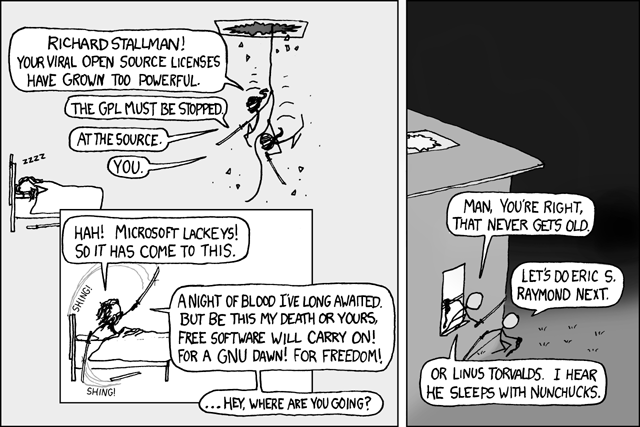
In today’s digital world, computers are integral to both our professional and personal lives. They drive our work, entertain us, and help us stay connected. With such a significant dependence on this technology, it is alarming to realize how little control we have over the software we use daily. This lack of control is largely due to the dominance of proprietary software, which restricts users' freedoms in numerous ways.
The Importance of the Free Software Movement for Everyday People
The Free Software Movement is crucial for ensuring that individuals have control over the software they use. Proprietary software, by definition, keeps its source code hidden from users. This lack of transparency means users cannot see what the software is doing behind the scenes, leading to potential privacy issues and security risks. For instance, there have been numerous cases where companies have used their software to collect personal data without users' consent, infringing on their privacy.
Furthermore, proprietary software often comes with strict licensing agreements that prevent users from modifying, sharing, or even understanding how the software works. This can stifle innovation and restrict educational opportunities. Students and hobbyists who want to learn how software works or improve it can face severe legal consequences for doing so. This restrictive environment hinders the progress of technology and limits the potential for collaborative improvement.
The Free Software Movement addresses these issues by promoting software that can be freely used, modified, and shared. Free software empowers users to take control of their technology, fostering a culture of collaboration and innovation. It ensures that users are not just passive consumers but active participants in the software ecosystem. This is particularly important in educational settings, where access to modifiable software can enhance learning and encourage experimentation.
The Origins of the Free Software Movement
The Free Software Movement was initiated in 1983 by computer scientist Richard M. Stallman with the launch of the GNU project, which stands for "GNU's Not UNIX." Stallman was motivated by the growing trend of proprietary software, which he saw as a threat to users' freedoms. The GNU project aimed to create a complete, Unix-compatible software system composed entirely of free software.
Stallman's vision was to develop software that respected the freedoms of its users, including the freedom to run the program for any purpose, study and modify the program, and distribute copies of either the original or modified program. This vision was encapsulated in the GNU General Public License (GPL), a groundbreaking legal framework that ensures these freedoms are preserved.
In 1985, Stallman founded the Free Software Foundation (FSF) to support the GNU project and advocate for free software principles. The FSF's mission is to promote computer users' rights to use, study, copy, modify, and redistribute computer programs. It provides resources, organizes campaigns, and offers legal support to protect the rights of free software users and developers.
The Progress of the Free Software Movement
Since its inception, the Free Software Movement has made significant strides. The movement has grown from a small group of dedicated individuals to a global community of developers, users, and advocates. Over 5,000 programs and tools are listed in the FSF/UNESCO free software directory, benefiting millions of users worldwide.
The success of the GNU project and the adoption of the GPL have inspired numerous other free software projects. Notable examples include the Linux operating system, the Apache web server, the Mozilla Firefox web browser, and the LibreOffice productivity suite. These projects demonstrate the viability and advantages of the free software model, providing robust and reliable alternatives to proprietary software.
Governments, educational institutions, and businesses around the world have recognized the benefits of free software. Many have adopted free software solutions to reduce costs, enhance security, and avoid vendor lock-in. For instance, several countries have implemented policies to promote the use of free software in public administration, ensuring that citizens' data is handled with transparency and respect for privacy.
The Ethical and Social Implications of the Free Software Movement
The Free Software Movement is not just about technology; it is also a social and ethical movement. It challenges the proprietary software model that prioritizes profit over users' rights and advocates for a more equitable and collaborative approach to software development. By emphasizing the importance of user freedoms, the movement seeks to create a digital environment that respects individual autonomy and promotes the collective good.
One of the core principles of the Free Software Movement is the idea of software as a public good. Just as public infrastructure like roads and libraries are maintained for the benefit of all, free software is developed and shared to benefit society as a whole. This approach encourages the sharing of knowledge and resources, leading to more rapid technological advancement and greater access to technology for everyone.
The movement also addresses issues of digital divide and accessibility. Proprietary software can be prohibitively expensive, limiting access for individuals and organizations with limited resources. Free software provides a cost-effective alternative, making high-quality software accessible to a broader audience. This is particularly important in developing countries, where access to technology can significantly impact education, economic development, and social inclusion.
Conclusion
The Free Software Movement is a global community of talented, ethical programmers and advocates committed to the idea of writing and sharing software freely. This movement has created a vast ecosystem of software that respects users' freedoms, promotes collaboration, and fosters innovation. By choosing free software, individuals and organizations can take control of their technology, protect their privacy, and contribute to a more equitable and open digital world.
The journey of the Free Software Movement, from its humble beginnings with the GNU project to its current global impact, highlights the power of community-driven innovation. As technology continues to evolve, the principles of the Free Software Movement remain more relevant than ever, offering a vision of a digital future where freedom and collaboration are at the forefront.
“Escape to Freedom” is an animated video from the Free Software Foundation (FSF), giving an introduction to the concepts behind software freedom: both what we gain by having it, and what rights are at stake.
I wrote this article in October 2022, while I was a member at CSA while studying at BITS Hyderabad as none other than Richard M. Stallman was coming to our college! That really pushed me to switch over to linux and I can say I am a proud Arch BTW user :).